
First published: 7 October 2025 -
Last updated: 12 November 2026 -
Verified by our Editorial Panel
Heat pumps for your home: grants, benefits and how to get started
More than 8,500 people in Wales have already applied for the Boiler Upgrade Scheme.
Heat pumps offer an efficient way to heat your home and water. It keeps your home a consistent temperature all year round.
With government grants of £7,500 available, or £9,000 for homes replacing oil or LPG heating, switching could be more affordable than you think. Low and no interest loans are also available through the Warm Homes Loan Scheme helping you to spread costs over time.
Discover how heat pumps work, the benefits they can bring to your home, what they cost to run and whether one could be right for you.
Jump to financial support.

What is a heat pump and how does it work?
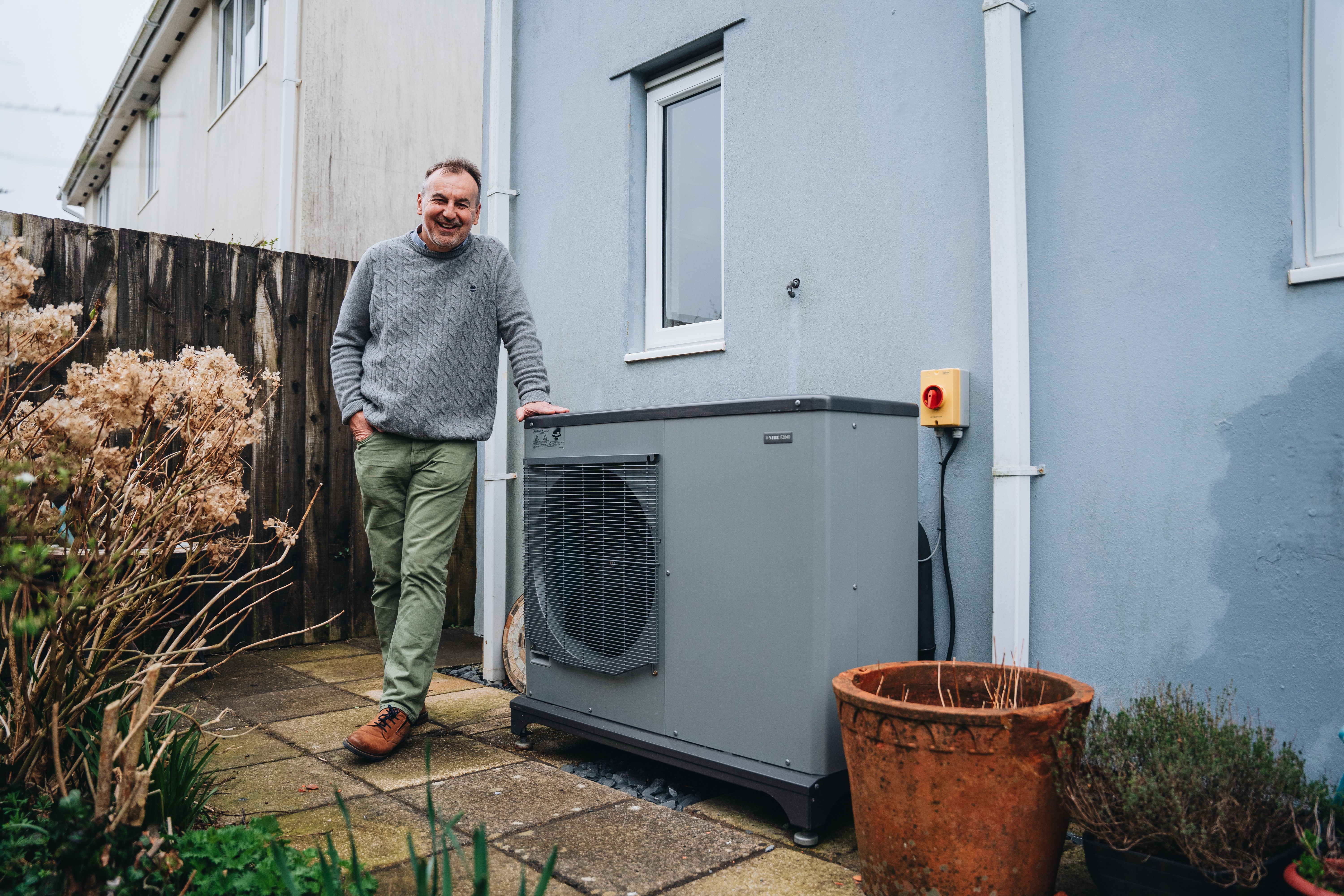
A heat pump heats your home using electricity. It works like a fridge in reverse, taking heat from the air or ground (even when it’s very cold outside). It increases it to a higher temperature and transfers it to your home to provide heating and hot water. A heat pump can warm your home and water even on the coldest days.
An air source heat pump unit is fixed on the outside of a home or property. A ground source heat pump unit is fitted outside of your home and property.
Jump to what to expect from a heat pump.
Why get a heat pump?

Suitability
Most homes in Wales are suitable for a heat pump and over 8,500 people have already applied to the Boiler Upgrade Scheme to install one.

Become super efficient
They are 3x more efficient than traditional boilers.

Upgrade your home's heating
Enjoy a comfortable and stable temperature in your home. They can also work with your current radiators.

Cut your carbon
Heat pumps use up to 70% less CO2 than a gas boiler and zero emissions at point of use.

Reduce your bills
You could save around £100 per year with smart tariffs*.

Help improve air quality
Heat pumps don't burn fuel helping to reduce air pollution.
What financial help is available for heat pumps?
Boiler Upgrade Scheme grant
Most homeowners in Wales are eligible for the Boiler Upgrade Scheme grant to help cover the costs of installing a heat pump. The grant offers £7,500 towards the cost of a heat pump, or £9,000 for those switching from oil or LPG.
To qualify, you’ll need to meet the following criteria:
You own the property – whether it’s your main home or a second property.
You’re replacing an existing fossil fuel heating system – gas, oil, electric or LPG.
Your property has a valid Energy Performance Certificate (EPC).
The property is in Wales or England.
Your installer will check if you’re eligible and whether you need any updates to your home to get the best out of your heat pump. They’ll then make an application to the Boiler Upgrade Scheme on your behalf via the Ofgem website – saving you the hassle.
Finance
Several energy suppliers can offer finance deals, such as 0% finance and low interest.
You may also be able to get cashback through your mortgage, some banks offer up to £2,000 cashback for heat pump installations through approved schemes. It's worth checking with yours.
You can get no- and low-interest loans with the Warm Homes Loan Scheme. It means you can install a heat pump without any upfront costs by spreading the payments out over time.
0% VAT
Heat pump installations benefit from being exempt from VAT.
If you’ve already decided to get a heat pump, find a trusted installer near you to get quotes and a home assessment.
Check if your home is suitable for a heat pump






What to expect from a heat pump

Air source heat pump
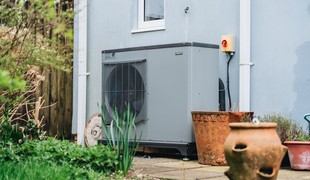
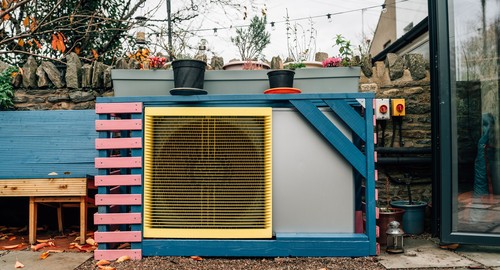
You’ll need a small space outside your home for a fan unit which typically ranges from 1 to 1.5m in height. This can sometimes need planning permission – you can check if you’re property does here.

Ground source heat pump
You’ll need a larger space outside for pipes to be buried in an array or a borehole. These heat pumps range in height from as little as 0.5m to around 1.7m depending on the model.

Sound
A sound assessment is usually done during the installation process. Modern heat pumps are generally found to be relatively quiet, with noise similar to a fridge or a boiler.
Inside your home
If you don’t have one already, your heat pump will need a hot water storage unit like a cylinder to give you hot water. Installers may recommend upgrading radiators to maximise the system efficiency. Where needed, these changes are generally included in the installation quote and can be covered by the grant.
What happens when a heat pump is installed?
Installation can take between 2-5 days.
Disruption can be minimal, far less than rewiring or replacing your whole heating system.
You’ll have hot water throughout, except for a short switch-over period of a few hours.
If you’re already planning upgrades or renovations to your home, switching to a heat pump at the same time could help limit future disruption to your home.
Using a heat pump
Your heat pump will work alongside a thermostat to maintain a comfortable temperature in your home. It will automatically adjust how hard the heat pump works according to how cold it is outside.
If you have a smart meter installed, some energy suppliers offer ‘time-of-use’ tariffs with cheaper electricity during off-peak hours.
If you have solar panels or a home battery, the electricity from your panels may provide enough power for your heat pump during the day or stored in your battery. This creates a smart system using homegrown energy to make extra savings on your bills.
Hear from heat pump owners in Wales





Ready to get started?
To get a quote, visit the MCS website to find a heat pump installer in your area or contact your energy supplier. Finding an installer takes just minutes on their website.
You should choose an MCS certified installer if you’re going to apply for government funding, such as the Boiler Upgrade Scheme.
MCS is the UK’s quality mark for renewable energy systems like heat pumps. If your installer is MCS registered, they meet the recognised standards for renewable energy installations and only use approved products.
Also, Which? Trusted Traders must be MCS registered if they are installing heat pumps meaning they offer a service you can trust.
Your essential guide to heat pumps



*Costs and savings associated with smart tariffs require a smart meter to be installed and vary depending on the tariff; how often and when you heat your home; the type, size and energy efficiency of your property; and the efficiency of your heat pump, among other factors. The figures above are based on dynamic simulation modelling of an average 3-bed detached house with insulated cavity walls and a heat pump with a seasonal performance factor of 3.13. Savings are based on Octopus Cosy tariff prices and the energy price cap from the period between July 2023 - July 2024 and assume no gas standing charge. As energy prices and tariff rates change, so will estimated costs and savings.
