
First published: 11 November 2026 -
Last updated: 11 November 2026 -
Verified by our Editorial Panel
How to prepare your home for winter: simple steps to take now
With wetter, windier weather possible across Wales this autumn and winter, here's how a little preparation could make a big difference.


From summer droughts and wildfires to winter storms and flooding, Wales has experienced some very different weather extremes over the past year.
With the Met Office highlighting the possibility of wetter and windier conditions this autumn and winter, now is a good time to think about how prepared your home is.
Meanwhile, the UK Government has launched the Be Ready campaign, encouraging households to take simple steps to prepare for emergencies, including disruption to electricity, water and internet services.
But what does this actually mean for your home, and what can you do now to be better prepared?
Could El Niño affect winter weather in Wales?
El Niño is a natural climate pattern that happens when ocean temperatures in parts of the tropical Pacific become warmer than usual.
Although this happens thousands of miles away, it can influence weather patterns around the world, including here in Wales.
The Met Office says El Niño could increase the chances of wetter, windier and potentially stormier conditions during late autumn and early winter. There may also be an increased chance of colder spells later in winter.
That doesn't mean Wales is guaranteed to experience severe storms or snow. Long-range forecasts tell us what conditions are more likely, rather than exactly when or where extreme weather will happen.
But with climate change also increasing the risks associated with extreme weather, being prepared makes sense.
How to prepare for an emergency
On 22 October 2026, the UK Government announced the first stage of its new Be Ready campaign.
The advice encourages households to consider how they would manage if everyday services such as electricity, water, phone networks or the internet were temporarily unavailable.
The recommendation is to have enough basic supplies to manage for around three days, helping households cope while essential services are restored and support reaches people who need it most.
The good news? You don't need to go out and buy everything at once
Many of the things recommended are probably already in your cupboards. Others can be picked up gradually during your usual shopping trips.
What should you include in a winter emergency kit?
Here are some of the essentials recommended by the UK Government:
Drinking water: Around three litres per person per day for three days, with extra water for cooking, washing or pets.
Food that doesn't need cooking: Tinned fish, beans, vegetables, fruit, nuts and other things you would normally eat.
A torch and spare batteries: Particularly useful if the electricity goes off. Battery-powered torches are safer than candles.
A charged power bank: So you can keep your phone working during a power cut.
Warm clothing and blankets: Homes can become cold quite quickly without heating.
A battery-powered or wind-up radio: To keep up with important updates if phone networks or the internet are disrupted.
Medication and first aid supplies: Check you have what you need and request repeat prescriptions in good time.
Essential supplies for children and pets: Including formula, nappies, pet food and water where needed.
A little cash: Useful if card machines or cashpoints aren't working.
It's also worth keeping important phone numbers and insurance details written down somewhere accessible.
You can find the full checklist on the UK Government's Be Ready website.

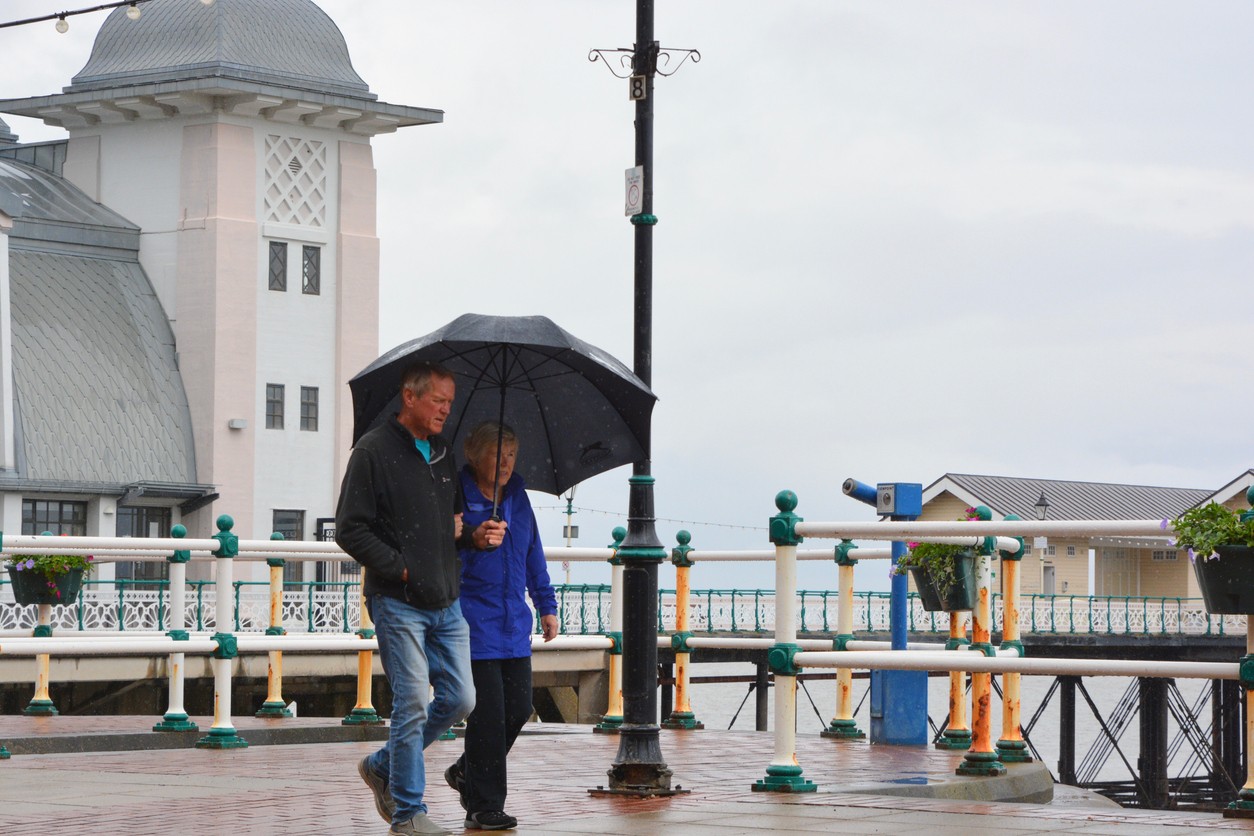
5 low or no cost ways to prepare for severe weather
Preparing for winter isn't just about what you have in your cupboards. There are small things you can do around your home that could prevent bigger problems later.
Check your flood risk
Did you know that one in seven homes and businesses in Wales is at risk of flooding?
Natural Resources Wales is encouraging everyone to check their local flood risk, even if they have never experienced flooding before.
You can check your flood risk and sign up for free warnings.
Get your home ready for wind and rain
Take a little time to clear leaves from drains and gutters where it's safe to do so, secure loose garden furniture and check for visible damage around windows and doors.
A few jobs now could help avoid water getting into your home or items being damaged during strong winds.
Find out if you can get extra support
If you have a health condition, disability, young children or additional support needs, you may be eligible for the Priority Services Register.
It's a free service that helps utility providers identify households that might need additional support during interruptions to electricity, gas or water supplies.
Know what to do if the power goes off
Keep your phone charged when severe weather is forecast, know where your torch is, and make sure you have a way of keeping warm.
In Wales, you can call 105 for help reporting or getting information about a power cut.
Check in with your neighbours
A little preparation can go beyond your own front door.
Does an older neighbour need help preparing for winter? Is there somebody nearby who might struggle if the electricity goes off?
Swapping contact details or offering to pick up a few essentials can make a real difference when severe weather arrives.
How to prepare for winter on a budget
With household budgets already stretched, the last thing anyone needs is another expensive shopping list.
Start with what you've already got.
Check your cupboards, see whether you have a working torch and make sure your phone's emergency contacts are up to date.
Next time you're shopping, perhaps pick up an extra tin of food or replace those batteries you've been meaning to buy.
You could also check your home's insulation and draught-proofing. Keeping warmth in can make your home more comfortable, reduce heat loss and potentially save money on energy bills throughout winter.
And don't forget to check the items you've put aside every few months, using older food before it expires.
A changing climate means preparing for different kinds of weather
In Wales, preparing for the future isn't just about winter storms. We are already experiencing the effects of climate change, from periods of intense rainfall and flooding to hotter, drier weather.
While El Niño is a naturally occurring climate pattern, climate change is altering the wider conditions in which our weather develops.
That makes practical preparation increasingly important.
The actions we take now won't stop storms or heavy rainfall from happening, but they can help reduce disruption, protect our homes and make our communities more resilient.
You don't have to do everything today. Start with one small thing, and build from there.
Because being ready isn't about expecting the worst. It's about making life a little easier if the unexpected happens.
Useful links
UK Government's Be Ready campaign checklist
Check the Met Office for weather warnings
Get live flooding updates and check your flood risk
