
First published: 19 November 2026 -
Last updated: 19 November 2026 -
Verified by our Editorial Panel
How to prepare your home for flooding and winter weather in Wales

Winter weather in Wales can bring heavy rain, strong winds, flooding and freezing temperatures. Taking a few simple steps to prepare your home can help protect your property and keep your family safe.
According to Natural Resources Wales, 1 in 7 homes and businesses in Wales are at risk of flooding.
Flooding doesn't just affect properties near rivers or the coast. Heavy rainfall can also overwhelm drains and cause surface water flooding, sometimes with little warning.
Even if your home has never flooded before, it's worth checking your risk and knowing what to do if severe weather arrives.
Here are some practical ways to prepare your home for flooding and winter weather.
How to check if your home is at risk of flooding
Natural Resources Wales provides a free online tool that allows you to check flood risk in your area using your postcode.
Knowing your risk can help you decide what preparations might be useful for your home.
Sign up for free flood warnings in Wales
You don't have to wait until heavy rain starts to find out whether flooding is expected. NRW provides a five-day flood risk outlook to help you understand the risk in the days ahead.
NRW also operates a free flood warning service for properties at risk from main rivers and the sea.
You can sign up to receive warnings by phone, text or email, giving you time to prepare if flooding is expected. You can choose to receive warnings in English or Welsh.
Flood Alert: Flooding is possible. Be prepared and check for updates.
Flood Warning: Flooding is expected. Take immediate action to protect yourself and your property.
Severe Flood Warning: There is a danger to life. Follow emergency services' advice and be ready to evacuate.
Not every type of flooding can be predicted. Surface water flooding and flooding from smaller watercourses can develop quickly, so warnings may not be available for these types of flooding.
Check current flood warnings and sign up for alerts.
You can also contact NRW's 24-hour Floodline service on 0345 988 1188.
How to protect your home from heavy rain and storms
A few simple maintenance jobs can help protect your home when wet and windy weather arrives.
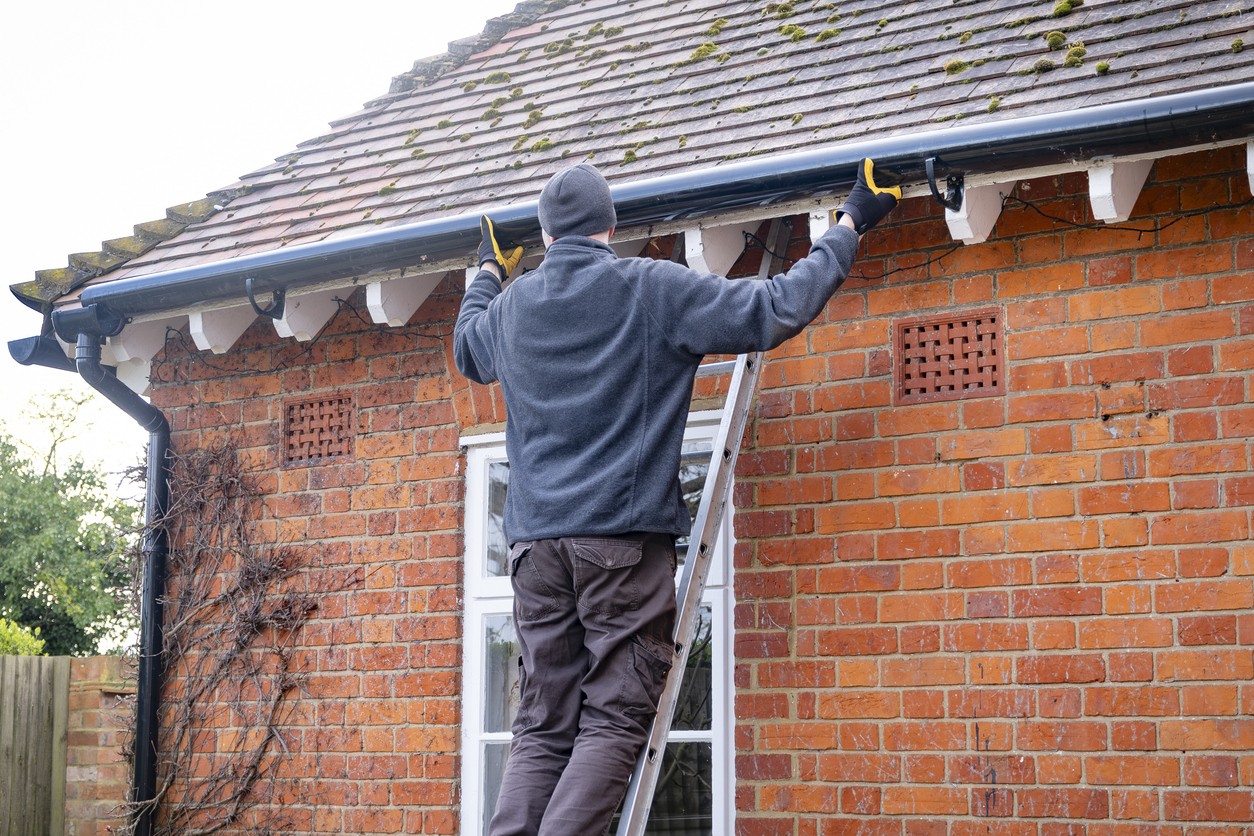
Clear gutters and drains
Leaves, moss and other debris can block gutters and downpipes, preventing rainwater from draining away properly.
Check that gutters are clear and that water can flow away from your property.
Report blocked public street drains to your local council.
Secure loose items outside
Garden furniture, plant pots, bins and other loose objects can be blown around in strong winds.
If a storm is forecast, secure or move loose items somewhere sheltered, provided it's safe to do so.
Check your roof and windows
Look out for slipped roof tiles, damaged guttering or gaps around windows and doors that could allow rainwater inside.
Arrange for a qualified professional to carry out any repairs that involve working at height.
Think about where rainwater goes
If your garden or driveway regularly collects water, consider whether drainage could be improved.
NRW recommends permeable surfaces, such as gravel, which allow more rainwater to soak into the ground rather than running directly into drains.
Prepare for cold weather and freezing temperatures
Winter storms aren't the only thing that can damage a home.
Cold weather can cause water pipes to freeze and burst, potentially leaving you with expensive repairs and water damage.
The Met Office recommends insulating exposed pipes, particularly those in lofts, garages and outside spaces.
It's also worth checking where your home's water stopcock is located, so you know how to turn off the water supply if a pipe bursts.
If you have a boiler, consider arranging a service before winter and make sure your heating system is working properly.
Keeping your home warm enough is important for your health, particularly for older people, young children and people with existing health conditions.
Prepare an emergency kit for severe weather
If severe weather causes a power cut, disrupts water supplies or means you need to leave your home, having a few essentials ready can make things easier.
NRW recommends preparing a flood kit and keeping it somewhere easy to access.
Your emergency kit could include:
A torch and spare batteries
A fully charged portable phone charger
Essential medication and a first aid kit
Bottled water and food that doesn't need cooking
Warm clothing and blankets
Important phone numbers and copies of insurance documents
Baby supplies or pet food, if needed
Make sure everyone in your household knows where the kit is kept.
If you live in an area at risk of flooding, it is also worth making a plan for the actions you may need to take in the case of a flood and where you would go if you needed to leave your home.
Find out how to prepare your home and family for flooding with Natural Resources Wales.
What to do if your home is at risk of flooding
If flooding is expected in your area, follow official warnings and take action early.
Natural Resources Wales recommends moving people, pets and important belongings to a safe place.
If it is safe to do so, you may also be able to move valuables upstairs, put flood protection equipment in place and turn off gas, electricity and water supplies.
Never touch electrical switches or appliances while standing in floodwater.
Do not walk or drive through floodwater. It can be deeper and faster moving than it appears, and may contain sewage, chemicals or hidden hazards.
If your home is flooding, follow emergency services' advice. Call 999 if you are in immediate danger.
You can check live warnings and river levels on the NRW website.
Check your insurance and know where to get help
If your home is at risk of flooding, check whether your buildings and contents insurance provide suitable cover.
NRW recommends checking what your policy includes, whether it covers temporary accommodation, and what you would need to do if you made a claim.
You can also take photographs of your property and important belongings to help with future insurance claims.
If your property has already flooded, contact your insurer and follow their advice before beginning major repairs.
Do not switch your gas or electricity back on until it has been checked and it is safe to do so.
If you are struggling after a flood, your local council may be able to advise you about emergency accommodation, hardship support and local services.
Find out what to do when your home has been flooded.
Check on neighbours, friends and family
Preparing for winter weather isn't just about looking after your own home.
Heavy rain, flooding, power cuts and freezing temperatures can be particularly difficult for people who live alone, have mobility difficulties or rely on essential medical equipment.
If severe weather is forecast, consider checking in with neighbours, older relatives or anyone who might need extra support.
You could help someone check official weather warnings, collect essential supplies or make sure they have important phone numbers available.
Small acts of support can make a real difference during difficult weather.


Where can I find flood warnings and winter weather information in Wales?
For reliable and up-to-date information, use these official services:
Natural Resources Wales
Check flood risk, view live flood warnings and sign up for free alerts.
Visit Natural Resources Wales.
Met Office
Check weather forecasts and warnings for heavy rain, strong winds, snow and ice.
Check Met Office weather warnings.
Traffic Wales
Check for road closures, travel disruption and driving conditions.
Power cuts
Call 105 to report a power cut or contact your local electricity network operator.
Frequently asked questions
How can I check my property's flood risk in Wales?
You can check your flood risk by postcode using the free mapping services provided by Natural Resources Wales. These show the risk of flooding from rivers, the sea and surface water.
How can I sign up for flood warnings in Wales?
Visit the Natural Resources Wales website to register for free flood warnings by phone, text or email. You can also call Floodline on 0345 988 1188.
How can I prepare my home for a storm?
Check the latest Met Office weather warnings, secure loose items in your garden, clear gutters and drains where safe, charge your phone and prepare essential supplies in case of disruption.
What should I do if my house floods?
Move yourself and others to a safe place, avoid floodwater and follow emergency services' advice. If it is safe, turn off utilities and move essential belongings away from rising water. Call 999 if there is an immediate danger to life.
Can my home flood if I don't live near a river?
Yes. Surface water flooding can happen when heavy rainfall overwhelms drains or cannot soak into the ground quickly enough. It can affect properties away from rivers and coastal areas.
A little preparation can make a big difference
We can't control the weather, but we can take practical steps to protect our homes and look after each other.
Whether it's signing up for a free flood warning, clearing your gutters or putting together an emergency kit, preparing now could help reduce the disruption and costs caused by severe weather.
Start by checking whether your home is at risk of flooding with Natural Resources Wales.
