
First published: 19 November 2026 -
Last updated: 19 November 2026 -
Verified by our Editorial Panel
How Wales's industrial landscapes are becoming places for nature

For generations, coal shaped Wales. It shaped our towns, communities, jobs and the landscape itself.
But in some of the places where coal was once mined, something unexpected is happening. Former industrial sites are becoming important places for nature recovery, providing habitats for wildlife and giving local communities new ways to connect with nature.
Former coal tips are becoming grasslands. Old mining pits are filling with water and turning into wetlands. Rare flowers are appearing, while birds, bats, butterflies and other wildlife are making these places home.
Two places in Wales show just how much these landscapes can change and why they're worth looking after.
Bryn Tip: From former coal mine to wildlife haven
On the edge of Bryn, near Port Talbot, a former coal mining site is now home to a surprising range of wildlife. Bryn Tip was once part of Bryn Navigation Colliery – a coal mine that helped shape the local community.
A colliery is simply a coal mine together with the buildings, machinery and other works around it.
When the mine closed, it left behind a spoil tip – the piles of rock, soil and other material dug out while miners were trying to reach the coal. It doesn't sound like the obvious place to find wildlife. But nature had other ideas.
Over the years, parts of Bryn Tip developed into grassland, scrub and wetter areas. Today, the former industrial site supports skylarks, meadow pipits, cuckoos and common lizards. Butterflies found here include the small pearl-bordered fritillary, grayling and small heath.
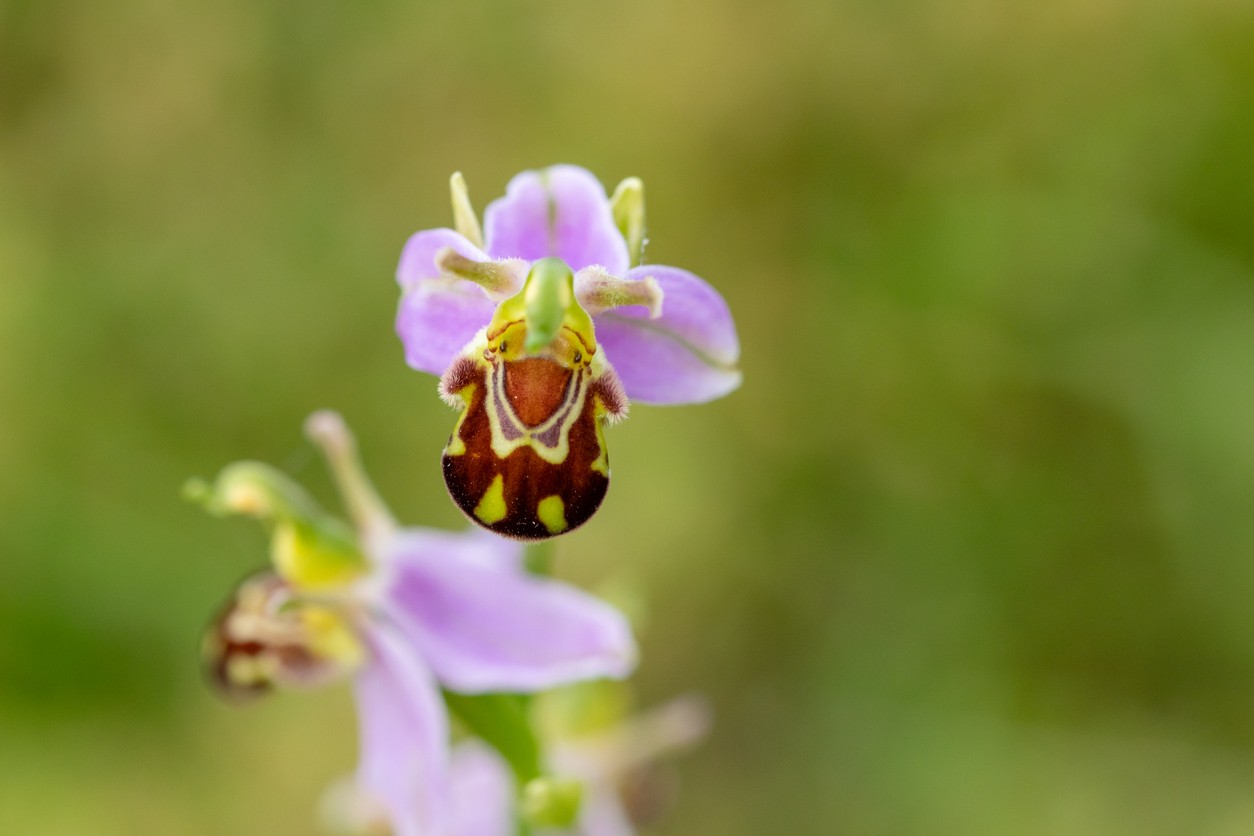
And then there are the flowers. Around 1,000 bee orchids have been recorded here.
Despite the name, there's no bee involved in making the flower. The bee orchid gets its name because part of its flower looks remarkably like a bee. The flower evolved to attract particular bees, although in the UK bee orchids usually pollinate themselves.
It is quite a transformation. A place once shaped by what people took out of the ground is now being recognised for what is growing on it.
Why former coal tips can become valuable wildlife habitats
It might sound strange. Surely heavily disturbed industrial land is the opposite of a good nature habitat? Not always.
When mining stops, the unusual ground that is left behind can create conditions that are difficult to find elsewhere. There might be thin or nutrient-poor soil, bare ground, pools of water, grassland and scrub all within a relatively small space.
Different plants prefer different conditions. And where there is a mixture of plants and habitats, different insects, birds and other animals can often find somewhere to feed, breed or shelter too.
That doesn't mean every former industrial site automatically becomes important for wildlife. But it does mean we shouldn't assume apparently empty or untidy land has no value. Sometimes the wildlife already living there might surprise us.
How Bryn Tip is being managed for nature
Bryn Tip isn't simply being left alone. The site is managed by Neath Port Talbot Council with help from local volunteers, including people from Afan Environment Volunteers and Bryn Residents Action Group.
That management matters because some wildlife needs open grassland while other species prefer scrub or wetter ground. If every part of the site eventually turned into dense scrub or woodland, some of the plants and animals living there now could disappear.
Nature recovery doesn't always mean leaving everything untouched. Sometimes it means understanding what makes a place special and carefully managing it so those habitats can continue to thrive.
The Slash Pond: A former mine becomes a community nature reserve
Travel west to Broad Haven in Pembrokeshire and there's another former mining site with an extraordinary second life. Just metres from the seafront is The Slash Pond Community Nature Reserve.
Today, it's a green pocket of woodland and wetland centred around a large pond. But the pond exists because this was once a an opencast culm mine. That needs a little translating.
Opencast mining means digging down into the ground from the surface to reach coal, rather than reaching it through underground mine shafts. And culm is a local name for a fine, dusty form of coal historically mined in Pembrokeshire .
In fact, the history helps explain the name The Slash Pond too. Historical records show that coal in this part of Pembrokeshire was sometimes dug from open pits known locally as “slashes” or “slatches”.
The former mining pit at Broad Haven eventually filled with water and the place created by mining began to become something completely different.
What lives at The Slash Pond now?
Today, water sits at the centre of the reserve, surrounded by willow woodland, scrub, grassland and wetland plants. That mixture of habitats has created somewhere for a surprising range of wildlife to live.
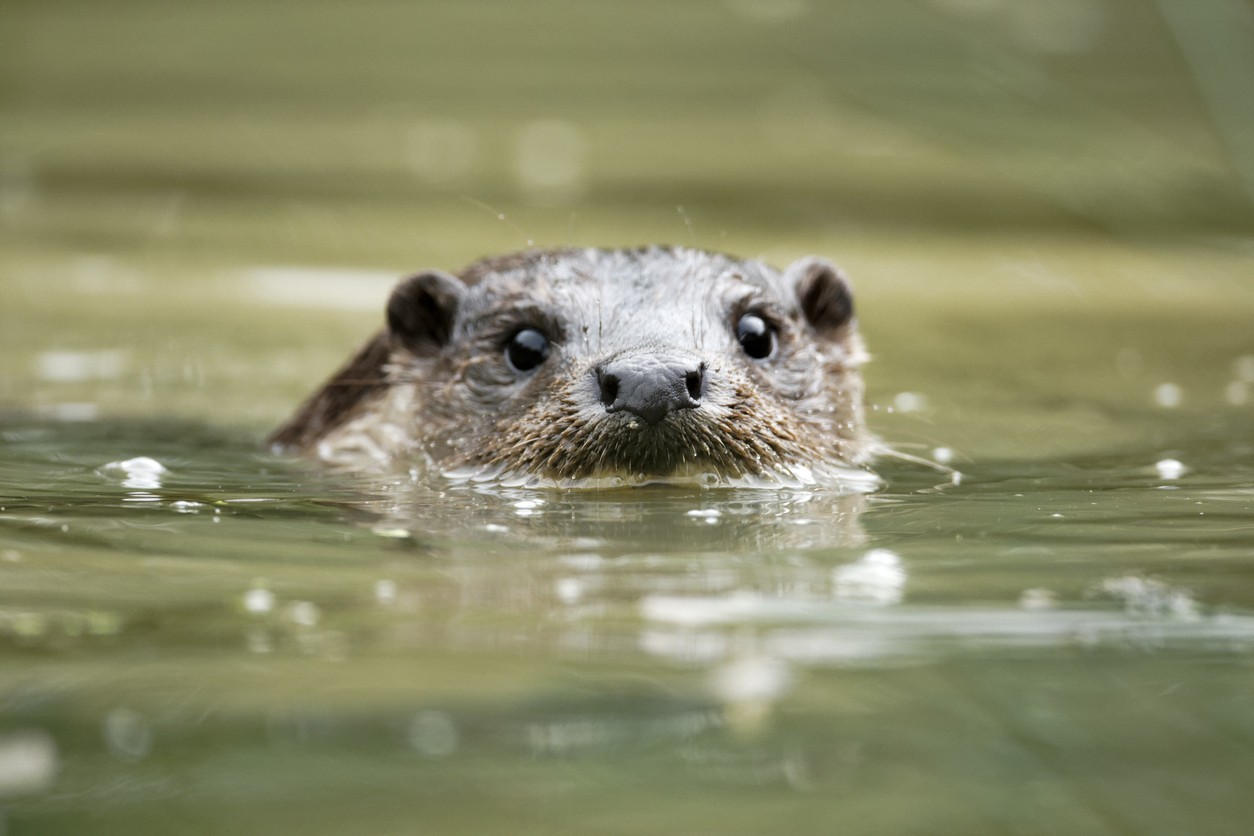
More than 50 species of bird have been recorded around the pond. There are also moths, bats and visiting otters. The pond supports the European eel too – a species now considered critically endangered.
And all of this sits right in the heart of a village. You can walk through the reserve along a 275-metre boardwalk, maintained with the help of volunteers and The Havens Community Council.
What was once an industrial working is now somewhere people walk, explore and experience nature.
How the community is protecting The Slash Pond
Nature didn't just return to The Slash Pond and then look after itself. Local people have worked to protect the reserve and secure the future of its boardwalk.
Volunteers help maintain the reserve, manage plants, monitor water quality and record wildlife. When the boardwalk was at risk of being lost, residents, businesses and local supporters came together to help save it.
So, the story of The Slash Pond isn't simply: a coal mine closed and nature returned.
It's also: a community decided the place that emerged afterwards was worth protecting.

What is Naturfa – and why have these places been recognised?
Naturfa forms part of Wales's contribution to international efforts to tackle nature loss.
In 2026, both Bryn Tip and The Slash Pond Community Nature Reserve became some of the first places in Wales to receive Naturfa recognition.
Naturfa simply means “a place of nature.” It is a way of recognising and celebrating places that are being managed over the long term so nature can recover and thrive.
They don't all have to be traditional nature reserves. A Naturfa site might be community-owned land, a working landscape or, as these examples show, somewhere with an industrial past.
To be recognised, there needs to be evidence that a place is important for nature, that somebody is actively looking after it and monitoring what happens there, and that there is a long-term commitment to caring for it.
Countries around the world have agreed to take action to protect, restore and better manage nature for future generations. Naturfa recognises places in Wales that are making a long-term contribution to those shared goals.
That sounds like a huge global ambition. But places such as Bryn Tip and The Slash Pond Community Nature Reserve show what it can look like on the ground.
Does nature recovery mean turning the clock backwards?
No. That's one of the most interesting things about these places.
Restoring nature doesn't always mean trying to make a landscape look exactly as it did hundreds of years ago. Wales has been shaped by people for centuries. Farming, mining, industry, roads, towns and villages have all changed the landscape.
Sometimes nature recovery means restoring damaged habitats or protecting what's already there. Sometimes it means joining up areas of habitat so wildlife can move around more easily, or recognising the value of places we might once have overlooked.
Why former industrial sites matter for nature recovery
Giving nature more room is increasingly important as our climate changes. Plants and animals are already facing pressures from changing temperatures, rainfall, pollution, habitat loss and other changes to the environment.
A single isolated nature reserve can't solve that. Wildlife needs a network of places where it can feed, breed, shelter and move. Former industrial sites won't provide all the answers. But where valuable habitats have developed, they can become another piece of that network.
That makes understanding these places important before we decide what should happen to them next.
How Wales's industrial past can support a nature-rich future
Wales's industrial history isn't something nature recovery needs to erase. The two can sit together.
Bryn Tip can still tell the story of the generations connected to coal mining – while bee orchids grow above the old workings. The Slash Pond can still tell the story of mining in Pembrokeshire – while otters, bats, birds and eels use the habitats created there today.
A landscape can carry its industrial past and have a nature-rich future. And perhaps that's the most hopeful thing about both these places.
Nature recovery isn't always about starting again. Sometimes it's about seeing the potential in what we've already got – and deciding it's worth looking after.
Discover more stories about Wales's wildlife, the habitats we share and what we can do to protect them in our nature section.
